Choosing Between Natural Light and Flash Photography for Properties
# Choosing Between Natural Light and Flash Photography for Properties Walk into any photography forum and you will find the same debate: natural light...
<h1>Choosing Between Natural Light and Flash Photography for Properties</h1>
Walk into any photography forum and you will find the same debate: natural light versus flash. For property photography, this is not an academic discussion. It affects your sale price.
The Case for Natural Light
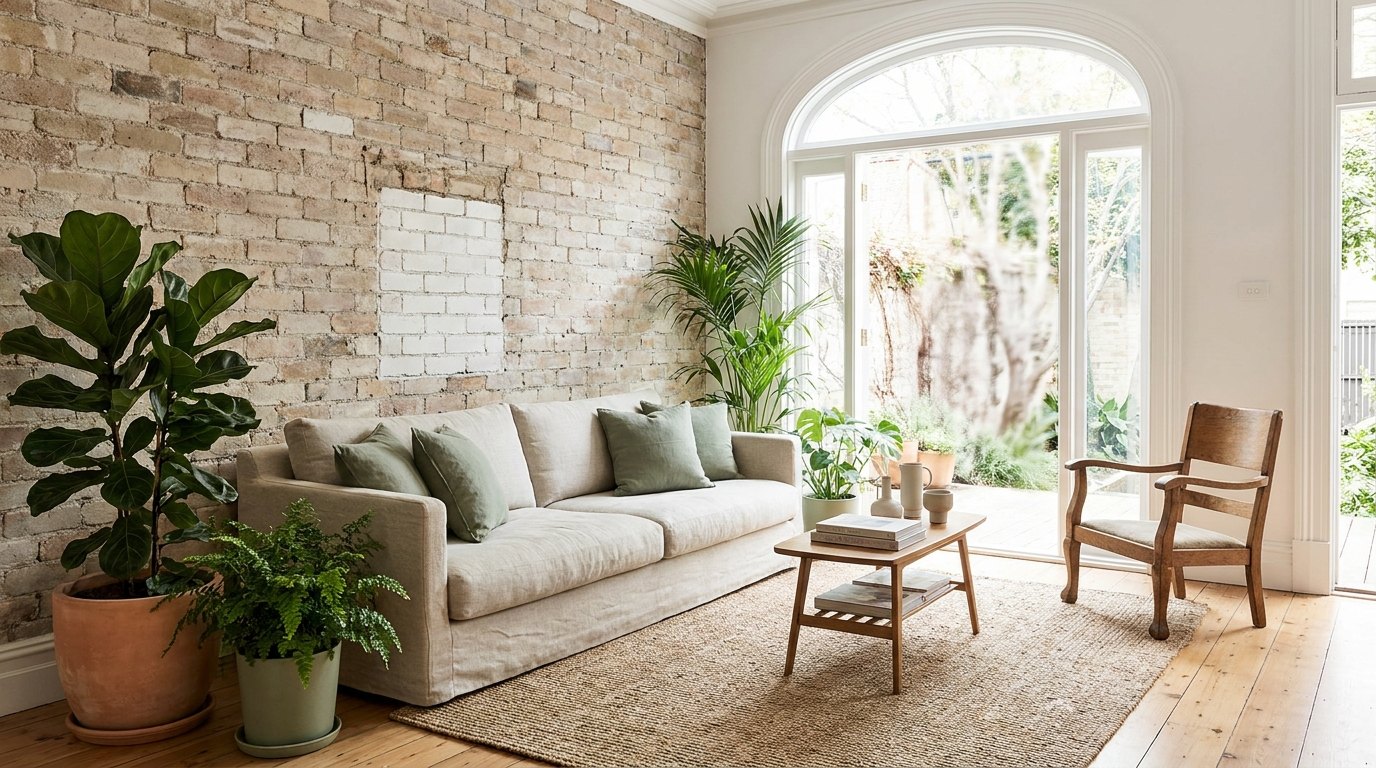
Natural light produces images that feel authentic. Buyers scrolling through listings at night see a property as it appears during the day. This matters because most inspections happen on weekends, during daylight hours.
Advantages:
Limitations:
Natural light works best for properties with large windows, north-facing orientations, and shoots scheduled between 10 AM and 2 PM. In Sydney, this means avoiding the harsh midday sun in summer while maximizing the softer winter light.
The Case for Flash Photography
Professional property photographers use flash to solve specific problems. Dark interiors, mixed lighting conditions, and challenging architectural features all benefit from controlled artificial light.
Advantages:
Limitations:
Flash becomes essential for properties with limited natural light, evening shoots for twilight exteriors, and when architectural features need emphasis.
The Hybrid Approach
Most professional property photography uses both. The workflow typically involves:
**Base exposure with natural light** — Capture the property as it appears
**Flash for problem areas** — Fill shadows, balance windows, highlight features
**Blending in post** — Combine the best elements of each exposure
This approach takes longer but produces the highest quality results. It explains why professional property photography costs more and delivers better outcomes.
When to Use Each Approach
Use Natural Light When:
Use Flash When:
The Technical Reality
Camera sensors have limited dynamic range. A typical property scene has a brightness range from deep shadows in corners to bright windows showing exterior views. This range exceeds what any camera captures in a single exposure.
Natural light photographers solve this through HDR techniques — multiple exposures blended together. Flash photographers solve it by adding light to shadows, compressing the scene's dynamic range to fit within the sensor's capabilities.
Both approaches work. The difference is aesthetic and practical, not technical superiority.
The Sydney Context
Sydney's light presents unique challenges. Summer sun is harsh and directional. Winter light is softer but limited in hours. East-facing properties photograph best in morning. West-facing properties need afternoon shoots.
Cloud cover, common in Sydney's variable weather, acts as a natural diffuser. Overcast days often produce better property photography than clear blue skies, which create harsh shadows and blown-out highlights.
Equipment Considerations
Natural Light Setup:
Investment: $3,000-5,000
Flash Setup:
Investment: $5,000-10,000
The equipment gap matters for volume work. Professional photographers shooting multiple properties daily need reliable, fast setups. Amateur photographers working on personal projects can achieve excellent results with natural light and careful technique.
Post-Processing Differences
Natural light photography requires more post-processing work. HDR blending, shadow recovery, and highlight control take time. A typical natural light image needs 10-20 minutes of editing.
Flash photography requires less editing if executed well. The lighting is controlled during capture, reducing the need for extensive adjustments. A well-lit flash image needs 5-10 minutes of editing.
However, poor flash technique creates problems that are difficult to fix in post. Harsh shadows, overexposed hotspots, and color cast from mixed lighting all require significant correction.
Making the Decision
For real estate agents and vendors, the decision is simpler than the online debates suggest.
Use natural light photographers when:
Use flash photographers when:
Most importantly, review the photographer's portfolio for similar properties. Lighting technique matters less than the final result. A skilled natural light photographer produces better images than an amateur with expensive flash equipment.
The Middle Ground
Some photographers specialize in "light and airy" natural light aesthetics. Others produce dramatic, contrast-heavy flash images. Both styles sell properties when executed consistently.
The mistake is hiring a photographer whose style does not match the property. A dark, moody flash aesthetic suits industrial lofts poorly. An overly bright natural light approach diminishes luxury properties.
Review portfolios carefully. Look for consistency, attention to detail, and experience with similar properties. Ask about their approach to lighting and why they choose specific techniques.
Conclusion
The natural light versus flash debate misses the point. Both work. Both fail when poorly executed. The right choice depends on the property, budget, timeline, and desired outcome.
Professional photographers choose their approach based on these factors, not ideology. The best results come from photographers who master both techniques and deploy them strategically.
For property sellers, focus on results. Examine portfolios, check references, and verify experience with similar properties. The lighting technique matters far less than the photographer's skill in using it.
---
*Harrison Macourt is a Sydney-based property photographer specializing in hybrid natural light and flash techniques for real estate and architectural photography.*

Harrison Macourt
Founder, Macourt Media