Corporate Headshot Photography: Complete Guide
Complete guide to corporate headshots in Sydney. Technical requirements, wardrobe tips, and mistakes that undermine professional credibility.

LinkedIn profiles with professional headshots receive 21 times more views than those without. Company websites with consistent team photography convert higher than those with mismatched selfies. Yet most professionals still use cropped vacation photos or decade-old images that no longer resemble them.
Your headshot isn't vanity. It's business infrastructure that affects how clients, employers, and partners perceive you before you ever speak.
What Makes a Headshot Work
Effective corporate headshots share specific characteristics regardless of industry:
Genuine expression: Forced smiles look fake. The best expression is the one that appears in the second after a real laugh - relaxed, confident, approachable.
Professional context: Backgrounds should be neutral and non-distracting. Environmental portraits can include office settings, but backgrounds must not compete with the subject.
Consistent lighting: Harsh shadows under eyes or uneven illumination looks amateur. Professional results require controlled lighting that flatters without flattening.
Current appearance: Using old photos wastes everyone's time. When you meet someone who expected a different version of you, trust erodes immediately.
Technical Requirements
Camera height: Shoot at eye level or slightly above. Low angles create unflattering proportions and undermine authority.
Lens choice: Use an 85-135mm equivalent lens. Wide-angle lenses distort facial features. Telephoto compression flatters.
Aperture: f/5.6 to f/8 keeps faces sharp while gently softening backgrounds. Wide apertures risk soft focus on critical features.
Lighting setup: A main light at 45 degrees, fill light to reduce shadow intensity, and optional hair light for separation. Natural window light works if consistent and controllable.
Wardrobe and Grooming
Colors: Navy, grey, and charcoal photograph consistently well. Avoid pure white (blows out highlights) and busy patterns (distract from your face). Solid colors keep attention where it belongs.
Fit: Wear clothing that fits properly on the day of the shoot. Weight fluctuations between planning and execution create obvious problems.
Grooming: Hair should be recently cut. Makeup should enhance, not mask. For men, facial hair should be intentional and maintained. Everyone benefits from powder to reduce shine.
The Shooting Process
Preparation: Sleep well the night before. Hydrate. Avoid alcohol for 48 hours - it shows in skin texture. Arrive with backup clothing options.
Session length: Plan for 30-45 minutes of shooting time. Rushing produces forced expressions. Good photographers work quickly but never hurriedly.
Review process: Look at initial images on a calibrated screen. Confirm lighting, expression, and overall feel before concluding the session. Reshooting is easier than rescheduling.
Selection criteria: Choose images where you look confident and approachable simultaneously. Avoid photos that look overly serious (intimidating) or excessively casual (unprofessional).
Team Photography Consistency
Organizations need visual consistency across all team members. This requires the same photographer or matching technical approach, identical lighting setups, consistent backgrounds, similar cropping and framing, and unified editing style.
Mismatched team photos signal disorganization and reduce perceived professionalism. The investment in coordinated photography pays dividends in brand perception.
Common Mistakes
Over-retouching: Smooth skin until it looks plastic and you lose credibility. Edit blemishes, not texture. You should look like your best self, not someone else entirely.
Inconsistent updates: Teams with mixed photo ages look unprofessional. Schedule periodic updates to maintain consistency.
Wrong expression: Serious expressions often read as angry. Smiles that show teeth should look genuine, not forced. Practice in a mirror before your session.
Ignoring context: A creative industry headshot differs from corporate finance. Understand your audience and dress accordingly.
Investment Reality
Professional headshot sessions range from $200 to $800 depending on location, photographer experience, and deliverables. This cost is trivial compared to the business impact of poor personal branding.
Consider the math: If a better LinkedIn profile generates one additional qualified lead per year, what's that worth? If consistent team photography helps close one additional client, what's the return on investment?
Quality headshots aren't expenses. They're assets that appreciate over time through increased opportunity and improved professional positioning.
Update yours before you need it.
<script type="application/ld+json">
{
"@context": "https://schema.org",
"@type": "BlogPosting",
"headline": "Corporate Headshot Photography: Complete Guide",
"description": "Complete guide to corporate headshots in Sydney. Technical requirements, wardrobe tips, and mistakes that undermine professional credibility.",
"image": "https://i.imgur.com/aejDyGs.jpeg",
"author": {
"@type": "Person",
"name": "Harrison Macourt"
},
"publisher": {
"@type": "Organization",
"name": "Macourt Media",
"logo": {
"@type": "ImageObject",
"url": "https://macourtmedia.com/logo.png"
}
},
"datePublished": "2026-02-01",
"dateModified": "2026-02-01",
"mainEntityOfPage": {
"@type": "WebPage",
"@id": "https://macourtmedia.com/blog/corporate-headshot-guide-2026"
}
}
</script>
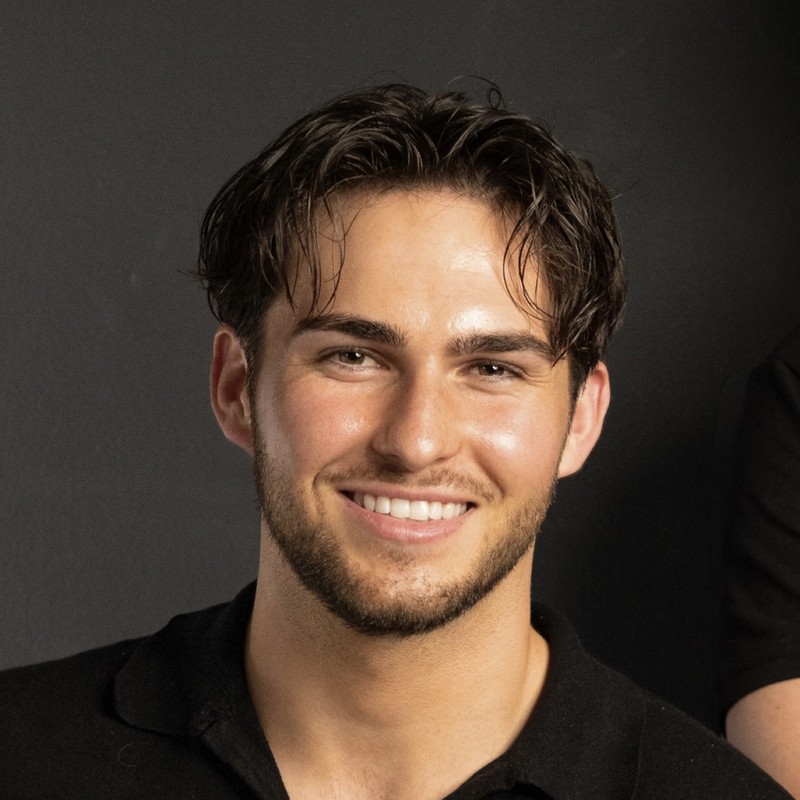
Harrison Macourt
Founder, Macourt Media