Drone Rules for Real Estate in Australia
What Sydney agents need to know before booking aerial photography: CASA rules, controlled airspace, no-fly zones, privacy, weather, and how to stay compliant.
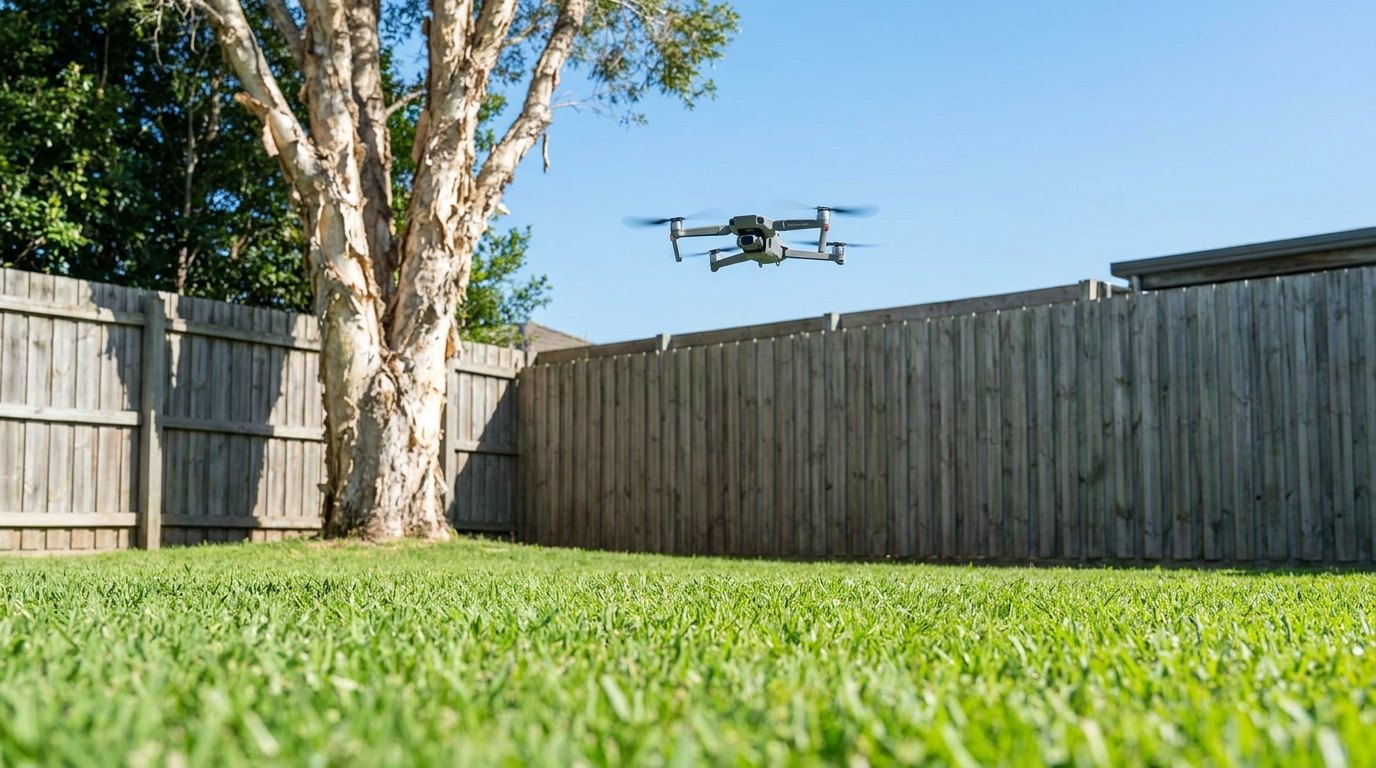
Aerial shots sell property. A clean overhead of the block, the roofline against the water, the walk to the station laid out in one frame: buyers understand a home faster when they can see how it sits in the world. But drones are aircraft, and Australia regulates them like aircraft. Fly the wrong way and you are not just risking a fine, you are risking the listing, your agency's reputation, and in the worst case someone's safety.
This is the part most agents never see. When you book aerial photography, a compliant operator has already worked through a checklist before the drone leaves the bag. Here is what that checklist covers, why it matters in Sydney specifically, and what to ask before you hand over an address.
Who actually controls drones in Australia
The Civil Aviation Safety Authority (CASA) is the national regulator for all aircraft, drones included. Anyone flying a drone commercially, meaning for a business purpose like marketing a property for sale, sits under CASA's remote pilot rules. This is a different world from the hobbyist flying over their own backyard on a Sunday.
The distinction matters for you as an agent. A neighbour with a drone offering to "grab a few shots" for a listing is almost certainly flying outside the commercial rules, and if something goes wrong the exposure lands on the party who commissioned the flight. A commercial real estate flight needs an operator working under the correct authorisation, carrying the right insurance, and keeping records of each flight.
At Macourt Media, drone work is flown under CASA's commercial framework by an operator holding [ASK HARRISON: licence class]. That authorisation is what separates a marketing asset you can publish with confidence from a liability you did not know you were carrying.
The standard operating rules
CASA sets a baseline of standard operating conditions that apply to most drone flights. These are not optional extras, they are the floor. A compliant real estate flight respects all of them:
- Keep the drone within visual line of sight. The pilot must be able to see the aircraft with their own eyes, not just through the camera feed. This shapes how far and how high a shot can go.
- Fly below the height limit. There is a maximum altitude above ground level for standard operations. That ceiling is generous enough for almost any listing, but it is a hard limit, not a suggestion.
- One drone at a time, in daylight. A single pilot flies a single aircraft, during the day, in conditions where they can see it clearly.
- Stay clear of people. The drone must keep a safe horizontal distance from anyone not involved in the flight. That includes the open-home crowd, the neighbours, and passers-by on the footpath.
- Do not fly over populous areas. Flying above a gathering of people, a busy street, or a packed park is off limits under standard conditions.
- Keep away from emergencies. If there is a fire, a police operation, or any emergency response nearby, the drone stays on the ground.
Most of these never become visible to you because a good operator plans around them. But they explain why an aerial shoot sometimes needs to be timed for a quiet window, or why a particular angle is not possible on a particular block.
Controlled airspace and Sydney's problem geography
Here is where Sydney gets genuinely tricky. Large parts of the metropolitan area sit under controlled airspace, and the rules tighten sharply the closer you get to an airport.
CASA restricts drone flights within a set distance of controlled aerodromes, and within those zones you cannot simply launch. Kingsford Smith dominates the Eastern Suburbs and the inner south. Bankstown Airport casts its own zone across the south-west. Add the flight paths that thread over the Inner West and the lower reaches of the harbour, and a large share of the suburbs agents list in every week carry airspace constraints of some kind.
This is not a reason to skip aerials. It is a reason to use someone who checks. A compliant operator runs the address through CASA's airspace tools before the shoot, confirms whether the block sits inside a restricted zone, and where a flight is possible seeks the right approval rather than winging it. Where a flight genuinely cannot happen, they tell you before the booking, not after.
If you list across the Eastern Suburbs or anywhere near the water, assume airspace is a live question on every property until it has been checked. The bright coastal light that makes those suburbs photograph so well sits directly under some of the busiest airspace in the country.
The harbour and no-fly zones
Sydney Harbour is not open sky. There are areas over and around the harbour where drone flight is restricted or prohibited outright, tied to the airport flight paths, seaplane operations, and other aviation activity. A stunning waterfront listing does not automatically mean a stunning aerial is legal. The operator has to confirm the specific location is clear before promising the shot.
The same caution applies near the harbour bridge, major event sites, and any temporary restriction CASA puts in place, for example around a public event or an emergency. These can appear at short notice, which is one more reason the airspace check happens on the day, not weeks in advance.
Privacy: the rule agents forget
CASA governs how the drone flies. It does not settle everything about what the drone films. Privacy is a separate consideration, and it is the one that most often generates a complaint on a residential street.
A drone at height sees over fences. It can capture a neighbour's backyard, their pool, their windows. Even where a flight is perfectly legal from an aviation standpoint, filming into an adjoining property can create a privacy problem and sour relations with the very neighbours your vendor still has to live beside after settlement. A careful operator frames deliberately, keeps the camera on the subject property, and avoids lingering over the block next door.
For agents, the practical move is simple. Give the operator a heads-up about anything sensitive nearby, and let them plan the angles. It costs nothing and it heads off the awkward phone call.
Weather grounds more flights than you think
Drones are light, and wind is the enemy. Beyond a certain gust strength the aircraft cannot hold a stable shot, and beyond a further point it should not fly at all. Rain, low cloud, and poor visibility do the same. Sydney's southerly can turn a calm morning into an unflyable afternoon in an hour.
This is why aerial work sometimes needs a flexible window rather than a hard time slot. If the forecast is marginal, a professional will move the flight rather than push a compromised, shaky result into your gallery, or worse, put the aircraft at risk. Build a little slack into your marketing timeline for the properties where the drone shot is a hero image, and you will get the shot in the right conditions instead of settling for whatever the weather allowed.
What this means for your listings
None of this should make aerials feel hard. The point of using a compliant operator is that the entire regulatory burden sits with them, not with you. Your job is to book early, share the address, and flag anything unusual about the site or the neighbours.
A quick checklist before you commission any drone shoot:
- Confirm the operator flies commercially under CASA, not as a hobbyist.
- Confirm they check the airspace for your specific address, especially near Kingsford Smith, Bankstown, and the harbour.
- Confirm they carry appropriate insurance.
- Give them a realistic weather window for hero aerials.
- Mention any privacy-sensitive neighbours up front.
Get those five things right and the drone becomes what it should be: a marketing asset that shows the block, the aspect, and the lifestyle in a single frame no ground camera can match. Aerials pair especially well with a strong ground set, so many agents book them alongside listing photography as one visit rather than two.
If you are listing across the Inner West, City of Canada Bay, the Eastern Suburbs, or the Lower North Shore and want aerials done properly, our drone service handles the compliance so you can concentrate on the campaign. Book the address in, tell us what you want the shot to say, and we will tell you honestly what the airspace will allow.

Harrison Macourt
Founder, Macourt Media
Photography, video and social content for Sydney agencies, brands and property teams since 2022. About Harrison.
Planning a listing? Tell us the address and the launch date.