Virtual vs Traditional Staging: What Wins in Sydney
Virtual staging or physical furniture for a vacant Sydney listing? A practical breakdown of speed, cost flexibility, disclosure rules, and when each one actually wins.
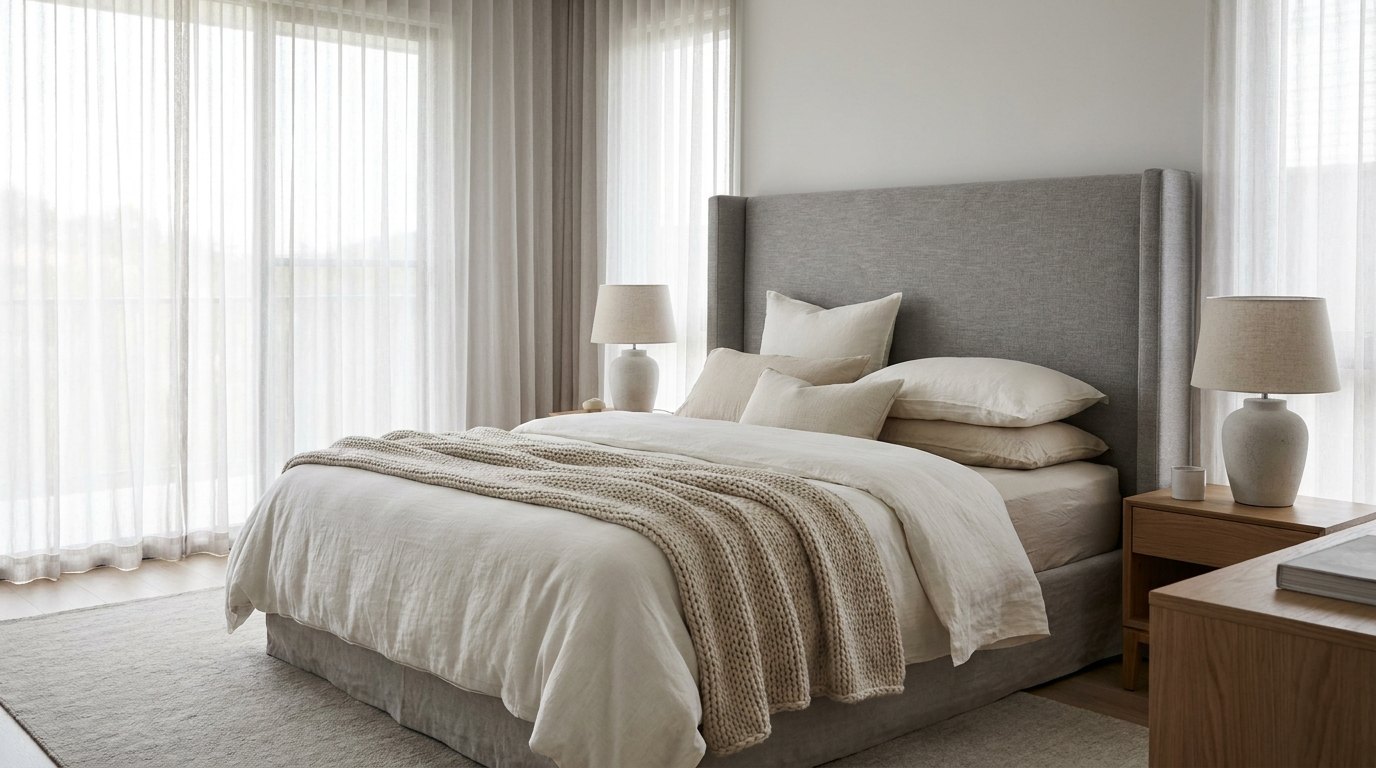
An empty room is a hard sell. Buyers scrolling on their phone struggle to judge scale, they miss where a lounge would sit, and a bare listing photo reads as cold or unloved. Staging fixes that. The question for most Sydney agents and vendors is not whether to stage a vacant property, it is how: bring in real furniture, or stage the photos digitally.
Both work. They win in different situations. Here is a straight comparison across the factors that actually change a campaign, with a clear steer on when to reach for each.
What each approach actually is
Traditional staging means a stylist brings physical furniture, art, rugs, and props into the home for the campaign. The property is dressed for the shoot and for open homes, then the hire pieces are collected when the property sells or the hire period ends.
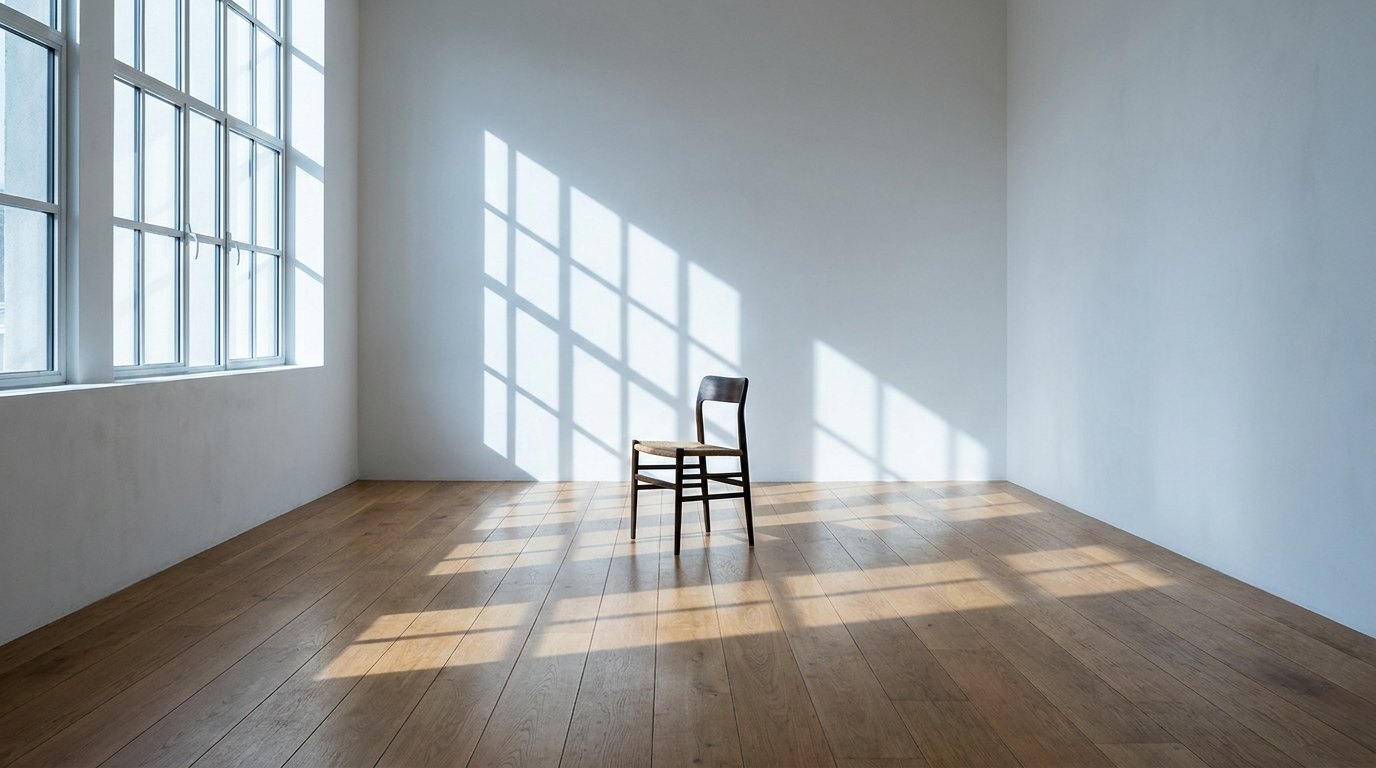
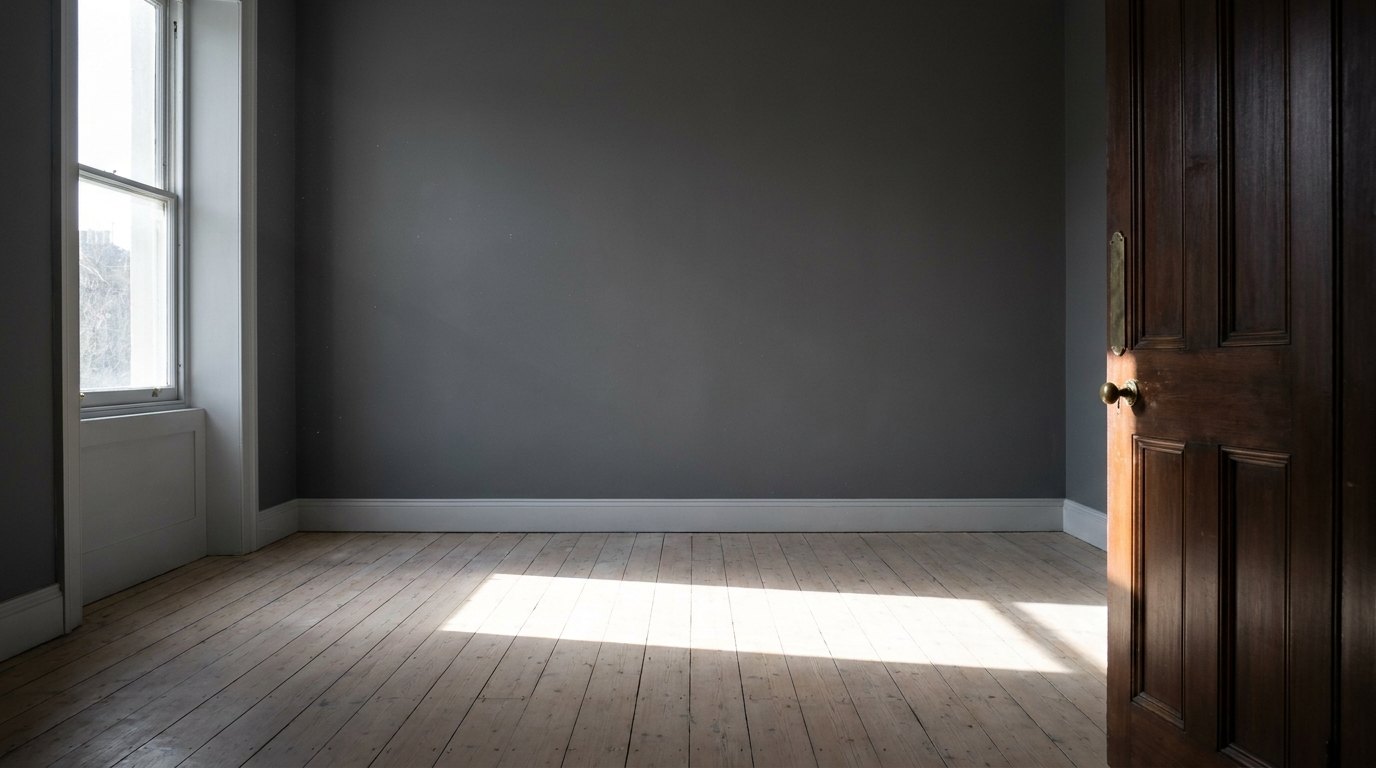
Virtual staging means the property is photographed empty, then furniture and styling are added digitally to the images. The room stays vacant in real life. What changes is the photo: a bare bedroom becomes a made-up guest room, an empty living space gets a sofa, coffee table, and a bit of warmth. Our virtual staging service starts from clean, well-lit listing photos of the empty rooms, so the base image is right before anything is added.
That base matters more than people expect. Virtual staging is only as convincing as the photo underneath it. Straight verticals, correct exposure, and clean windows give the digital furniture something honest to sit on. Grab a crooked phone snap and no amount of styling will save it.
Speed
Virtual staging wins on speed, clearly.
With physical staging you are coordinating a stylist's availability, furniture delivery, an install day, then the shoot after the install. In a hot Inner West or Eastern Suburbs market where you want to launch this week, that lead time can be the difference between hitting the Saturday you wanted and slipping a full campaign cycle.
Virtual staging skips the install entirely. We shoot the empty property, then the styling is added in post. You get a set of dressed images back on a normal editing turnaround, which for us means edited photos delivered by 9am the next business day. No delivery trucks, no scheduling three parties, no waiting on a furniture warehouse.
If your vendor signed late in the week and wants to be live for the weekend, virtual staging is often the only version of "staged" that fits the calendar.
Flexibility
Virtual staging is more flexible on style, and it is easier to change your mind.
Want the main bedroom shown as a nursery for family buyers, and a home office for the downsizer crowd? Digitally, that is two versions of the same room. Physically, that is a second furniture install. The same goes for tone. A coastal palette for a Bronte apartment and a warmer, more classic look for a Federation home in Haberfield are just different styling choices applied to the images.
It also lets you stage rooms that are hard to dress in real life. A tight second bedroom, an awkward study nook, a formal dining space that would swallow half a furniture budget: all can be shown at their best without hauling anything up a Paddington staircase.
Traditional staging has its own kind of flexibility, though, and it is worth naming. The furniture is real, so it works at the open home, not just on the screen. Buyers walking through feel the scale, sit on the sofa, and picture the life. Virtual images sell the click. Physical furniture also sells the visit.
Disclosure
This is where you have to be careful, and where the honest answer helps you.
Virtual staging changes the marketing images, so buyers must not be misled about what they are actually buying. Best practice in Australian real estate marketing is to label virtually staged images clearly as such, usually with a caption like "virtually staged" or "furniture is digital" on the affected photos. Agents should also be ready to show the genuine empty room. That protects you under Australian Consumer Law, which prohibits misleading or deceptive conduct, and it keeps the vendor and the buyer on the same page.
The rule of thumb: enhance, never invent. Virtual staging is for adding furniture and soft styling to an empty room. It is not for hiding a defect, removing a power pole outside the window, or making a space look larger than it is. Add a bed and a rug, fine. Erase the damp patch, not fine. Keep it to styling and you keep it clean.
Traditional staging sidesteps most of this, because the furniture is genuinely in the home. What buyers see at the inspection matches the photos. There is nothing to disclose because nothing was digitally altered.
Cost flexibility
We do not quote figures here, but the shape of the two options is worth understanding.
Physical staging is a hire arrangement. You are paying for furniture, delivery, install, and a hire period, and that period can stretch if the property takes longer to sell. On a larger home, dressing multiple rooms adds up, and a slow campaign extends the hire.
Virtual staging is a per-image styling cost with no hire clock running. Once the images are done, they are done, whether the property sells in a week or six. For vacant properties where the vendor is watching the marketing spend, or for lower-price-bracket listings where a full physical stage is hard to justify, virtual keeps the presentation strong without an open-ended commitment.
That difference in structure, hire period versus fixed job, is often what settles the decision for a cost-conscious vendor.
When each one wins
Reach for virtual staging when:
- The vendor signed late and you need to launch fast
- The property is vacant and will stay vacant through the campaign
- You want to show the same rooms styled for different buyer types
- The vendor wants a tight, predictable marketing spend
- The layout is awkward to dress physically, or access is difficult
- The home is tenanted with the tenant's own dated furniture, and you want clean, neutral images without the disruption of a physical restyle
Reach for traditional staging when:
- Open home foot traffic will be high and buyers need to feel the space
- It is a premium listing where the in-person experience carries real weight
- The property has proportions or a flow that only reads properly in person
- The vendor wants the strongest possible result at inspection, not just online
Plenty of Sydney campaigns use both in a sensible split. Physically stage the hero spaces that buyers walk into, the main living and the master, then virtually stage the secondary bedrooms and the study to round out the online gallery without a bigger install. You get the in-person impact where it counts and the digital polish everywhere else.
The practical starting point
Whichever way you lean, it starts with the photography. Virtual staging needs clean, correctly exposed base images or the digital furniture looks pasted on. Traditional staging still needs a proper shoot once the furniture lands. In both cases the empty-room capture has to be right first.
If you are weighing up a vacant listing in the Inner West, the Eastern Suburbs, or across the Lower North Shore, the fastest way to decide is to look at the actual rooms. Some empty spaces photograph beautifully with a light virtual stage. Others genuinely need the furniture in the room to sell.
Talk to us about the property and we will give you a straight recommendation: virtual, physical, or a split. No upsell, just the version that gets your vendor the best result for the campaign in front of you.

Harrison Macourt
Founder, Macourt Media
Photography, video and social content for Sydney agencies, brands and property teams since 2022. About Harrison.
Related services
Planning a listing? Tell us the address and the launch date.