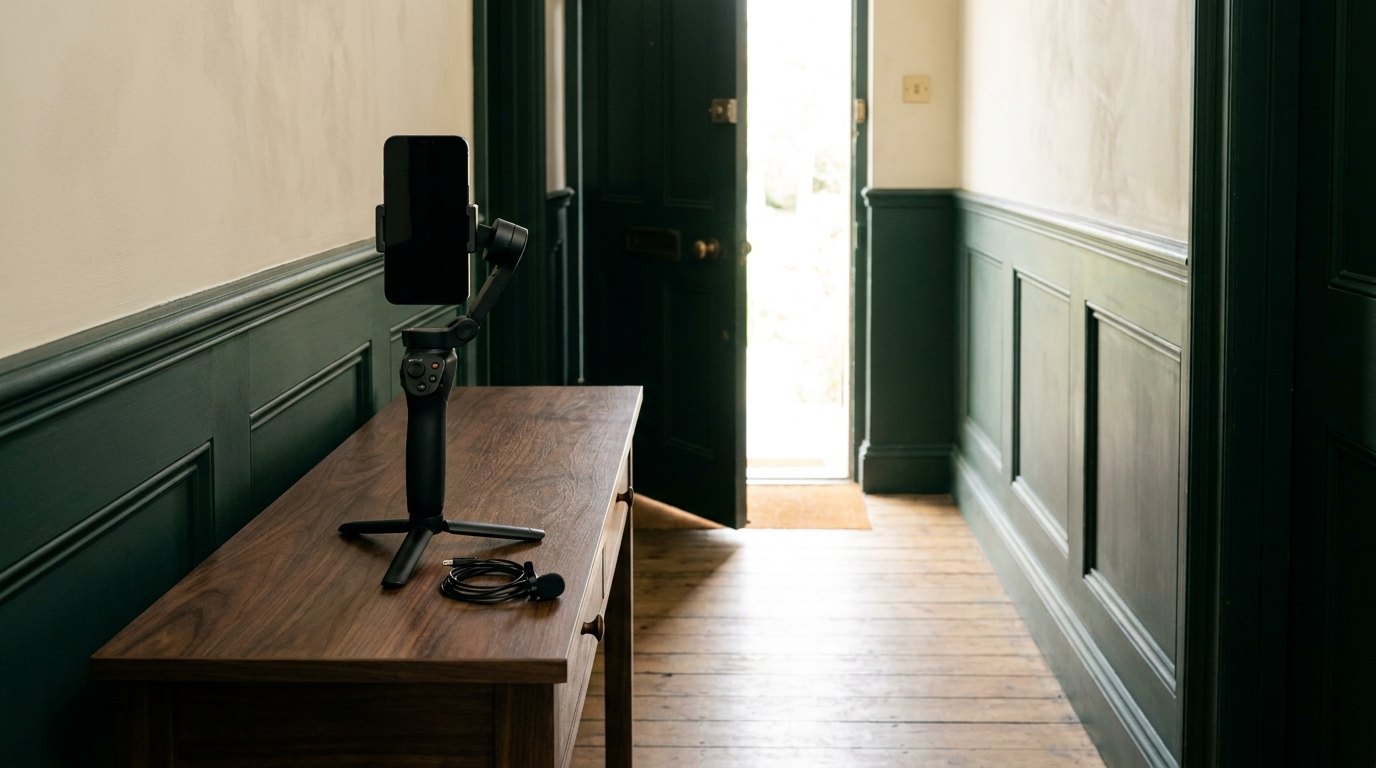
Auction Day: The Footage That's Worth Capturing
Auction day is the one day your listing has a live audience. Here is what to film, what to skip, and why audio decides whether any of it is usable.
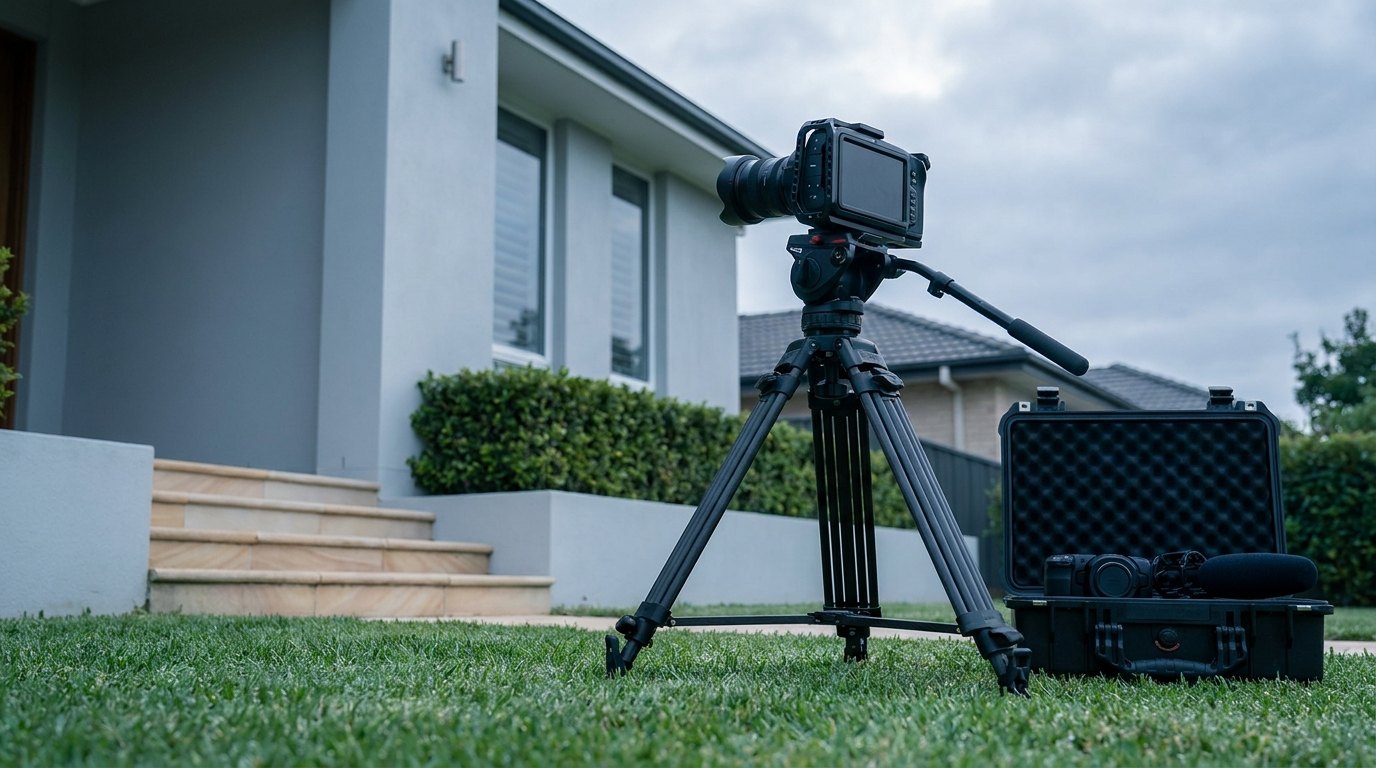
Auction day is the only day a listing has a live audience. Thirty or forty people standing on a lawn, a professional working a crowd, and a result that either lands or does not. It is the most watchable thing that will ever happen to that property. Most agents film none of it, or they film it badly from behind a hedge on a phone held in one hand.
That is a waste, because auction footage is not really about the property. The property is already sold or passed in by the time you post it. Auction footage is about you.
What auction footage is actually for
Three jobs, and knowing which one you are shooting for changes what you point the camera at.
- The next listing presentation. Nothing you say in a pitch beats fifteen seconds of your own auction with hands going up. Vendors do not want to hear that you get results, they want to watch one.
- Social proof that week. A result posted within a day of the hammer is current. The same clip posted three weeks later is a scrapbook.
- Your personal brand library. You will use these clips for years, cut into reels, testimonials and profile videos long after the address is forgotten.
None of those jobs need a twenty minute record of the whole auction. They need six or seven usable moments.
The shot list
Before the crowd
Get there early. A clean wide of the front of the home with the boards up and nobody in frame is your opening shot, and it is the only calm minute you will get. Grab the A-frame, the contract table, the paddle, the auctioneer setting up. These are the cutaways that let an editor breathe.
The crowd building
Shoot the crowd arriving from a fixed position, wide, and let it run. Do not pan. A still wide of a lawn filling up is far more convincing than a swinging handheld shot, and it cuts against anything.
The auctioneer working
Get in behind and slightly to the side of the auctioneer so you are looking down the barrel at the crowd. That is the frame that shows numbers of people and hands. Standing behind the crowd gives you the back of forty heads and a stranger's shoulder.
The bidding
Hands, paddles, the auctioneer's arm pointing, the head turn between two bidders. Short and tight. Stay on wide when you are not sure where the next bid is coming from, because a missed bid is gone forever.
The hammer
Keep rolling. Do not reframe, do not zoom, do not check the shot. Most of the auctions I have filmed are over inside ten minutes and the last thirty seconds carry the whole edit. Roll from the moment it goes on the market until well after the hammer, including the applause and the handshake.
Straight after
While the crowd is still there, get the agent to camera for twenty seconds. Address, result, one line about the campaign. Do it on the lawn with the crowd behind you, not in the car park an hour later when the light and the energy have both gone.
Audio decides everything
You can fix a shaky frame. You cannot fix an auction you cannot hear.
Auctioneers often run a small PA, and a camera microphone twenty metres back will pick up wind, traffic and the person next to you talking about parking. Two fixes, both cheap:
- Put a lapel microphone on the agent or ask the auctioneer to wear one, and record to a small recorder in their pocket.
- Failing that, get physically close. Three metres of distance beats any amount of gear.
Wind is the specific enemy on a Sydney front lawn. Use a foam cover at minimum, a furry one if there is any breeze at all. Windy audio is unrecoverable in the edit.
Shoot it vertical
The main destination for this footage is a reel, so shoot the crowd, the bidding and the piece to camera vertically. If you want a horizontal version too, run a second camera locked off wide on a tripod and let it record the whole thing untouched. That second angle costs you nothing once it is set and it saves the edit every time.
Be sensible about who is in frame
A public auction on a footpath is a public event, but that is not the whole test. Underbidders who miss out are having a bad day in front of strangers, and putting a recognisable, disappointed face into a promo reel is a poor look. Tell the auctioneer and the vendor you are filming before you start, favour wides and hands over close-ups of faces, and cut anything that singles out someone who lost.
What is not worth capturing
- The full uninterrupted auction. Nobody watches it, including you.
- Long slow pans across the crowd. They look like surveillance.
- The contract signing at the kitchen table. It is a photo, not a video.
- A hammer shot filmed from behind a fence at forty metres. If you cannot get close, do not bother.
Book it in like any other shoot
The reason most agents have no auction footage is not gear or skill, it is that nobody was tasked with it. Somebody has to be standing in the right spot with a charged battery at the moment the hammer falls, and that person cannot also be running the buyer list. Put it in the campaign the same way you book the photography and video at the start.
If you have an auction coming up and you want the result on camera properly, get in touch and we will lock in the date.

Harrison Macourt
Founder, Macourt Media
Photography, video and social content for Sydney agencies, brands and property teams since 2022. About Harrison.
Planning a shoot or a content month? Tell us what it is for and where it will run.