How to Choose a Property Videographer in Sydney
Choosing a property videographer in Sydney? Here is the checklist agents use to hire someone who actually knows real estate.

Last month I watched an agent in Double Bay waste a campaign slot on a property video that looked like it was shot on a phone from 2014. The lighting was flat. The gimbal work was shaky. The drone shots looked like they came from a toy helicopter. That agent now thinks video does not work. The real problem was the hire, not the medium.
Video can give buyers a clearer read of a home than stills alone, when it is planned and shot properly. But that only applies when the video is done right. The wrong videographer does not just waste your money. They actively hurt your brand. Here is how to avoid that mistake.
The Problem
Most agents treat hiring a videographer like ordering a pizza. They search Google, pick the cheapest option with decent reviews, and hope for the best. This approach fails because real estate video is a specialised skill. A wedding videographer can have beautiful work and still be useless for property. A commercial director might know lighting but have no idea how to move through a house without making buyers dizzy.
The market is flooded with generalists claiming they do real estate. Maybe they shot one property six months ago. Maybe they bought a drone and decided that makes them qualified. The result is inconsistent quality that leaves agents confused about whether video marketing actually works.
What to Look For
Experience with property specifically
Ask how many properties they have shot in the last month. Not the last year. The last month. Real estate video work is repetitive and fast. Someone shooting regularly will have refined their workflow, their gimbal technique, and their understanding of what agents actually need. Ask to see three examples of properties similar to yours. If they hesitate or send generic corporate work, move on.
Equipment that matches the job
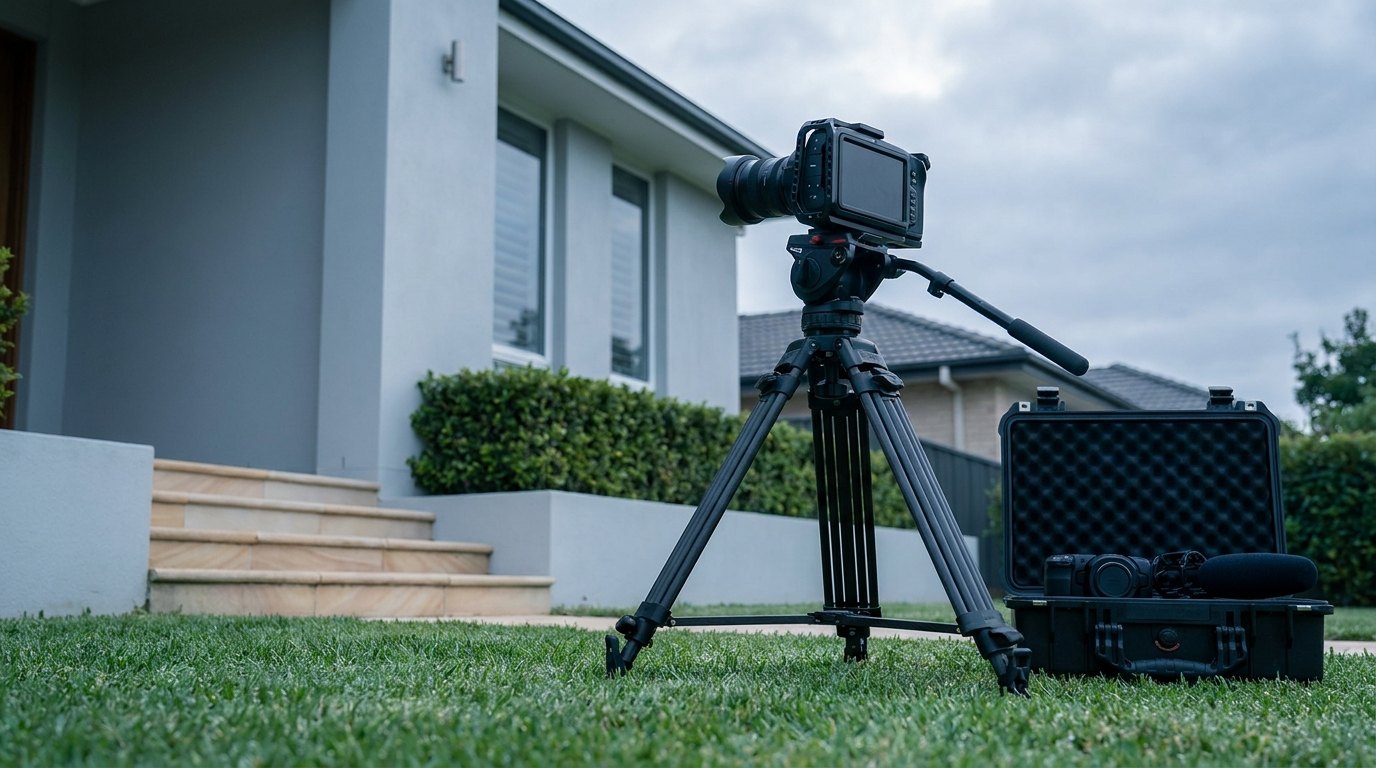
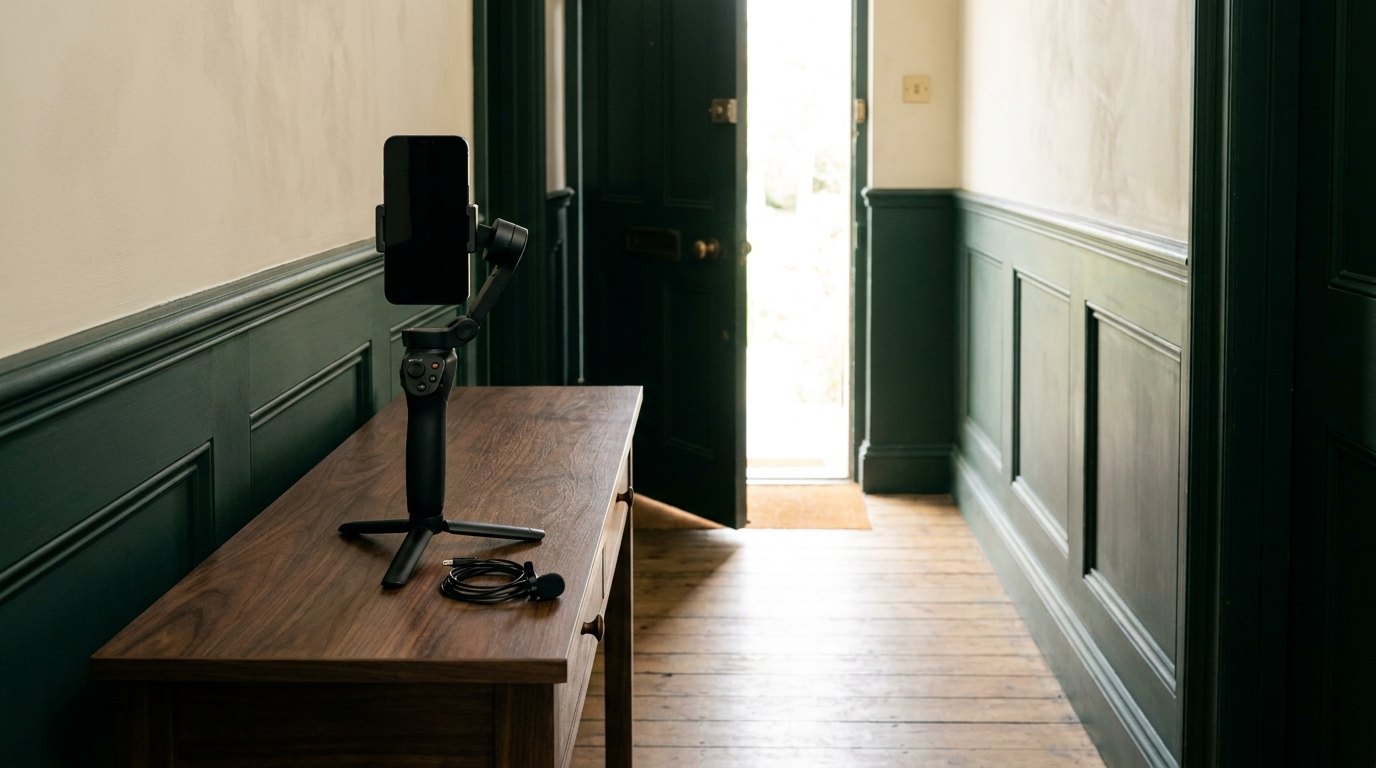
A full-frame camera is the baseline. Anything less struggles with low-light interiors. They need a wide-angle lens, 16-35mm or equivalent, to make rooms feel spacious without distortion that looks fake. The gimbal matters more than the camera. Watch their walkthroughs. If you see bobbing or jerky transitions, they do not know how to operate a stabiliser properly. Drone capability is standard now, but ask if they are CASA certified. If they crash into a neighbour's window, you do not want liability landing on you.
Turnaround agreed before the shoot
In Sydney's market, speed matters. A property sitting unlisted is money lost. Ask their standard delivery time and get it in writing against your launch date. A firm date beats a vague "quick". If they need a week to edit a two-minute walkthrough, they are either overbooked or inefficient. Neither works for real estate.
Scope that makes sense
Clear per-property scope is the industry standard here. The videographer should define inclusions, deliverables, formats, usage rights and turnaround before the shoot. Avoid vague hourly arrangements where no one knows what the campaign will actually receive. If usage rights are unclear, that is a red flag.
Platform-ready deliverables
You need more than one video file. Ask what they deliver. At minimum you want a full-length version for portals like Domain and realestate.com.au, plus vertical cuts for Instagram Reels and TikTok. Some properties also benefit from standalone drone footage for luxury marketing. If they only deliver a single YouTube-ready file, you are paying for half the value.
Red Flags
No property-specific portfolio
If their website shows weddings, music videos, and one property from 2022, keep looking. Real estate video is its own discipline.
Quotes without seeing the property
A videographer who gives you a firm scope without asking about floor area, lighting conditions or location is guessing. Guessing leads to surprises.
Reluctance to sign a simple agreement
You need clarity on delivery timeline, revision policy, and copyright ownership. If they get defensive about putting terms in writing, walk away.
What the Scope Should Include
For standard residential properties in Sydney, a quality video scope should include ground footage, appropriate drone coverage, editing, platform-ready exports and clear delivery timing. Premium campaigns may add advanced colour grading, multiple social cutdowns and faster turnaround. If the inclusions feel too thin or too oversized for the listing, ask for a clearer brief.
Making the Decision
Do not hire based on one glossy example. Ask for three recent videos from properties similar to yours. Watch them with the sound off. Does the camera movement feel smooth and intentional? Do the rooms look spacious without looking distorted? Does the lighting look natural or artificial?
Then check their reviews. Not just the star rating. Read what agents actually wrote. Look for mentions of reliability, punctuality, and responsiveness. Technical skill means nothing if they no-show on listing day.
Finally, start with one property. Do not sign a monthly retainer until you have seen the full process. One successful delivery proves they can execute. That is worth more than any sales pitch.
The Bottom Line
Video earns its place in a campaign, but only when it is executed by someone who understands real estate specifically. Take the time to vet your videographer properly. Ask the right questions. Check the right references. The right video partner can lift the whole campaign. The wrong one just teaches you that bad video does not work. The same thinking applies to stills; see how to choose a real estate photographer in Sydney.

Harrison Macourt
Founder, Macourt Media
Photography, video and social content for Sydney agencies, brands and property teams since 2022. About Harrison.
Planning a shoot or a content month? Tell us what it is for and where it will run.