Shooting Apartments: Small Spaces, Big Sales
Apartments are the hardest brief in residential photography. How a small floor plan gets shot honestly, and the prep that changes the result.
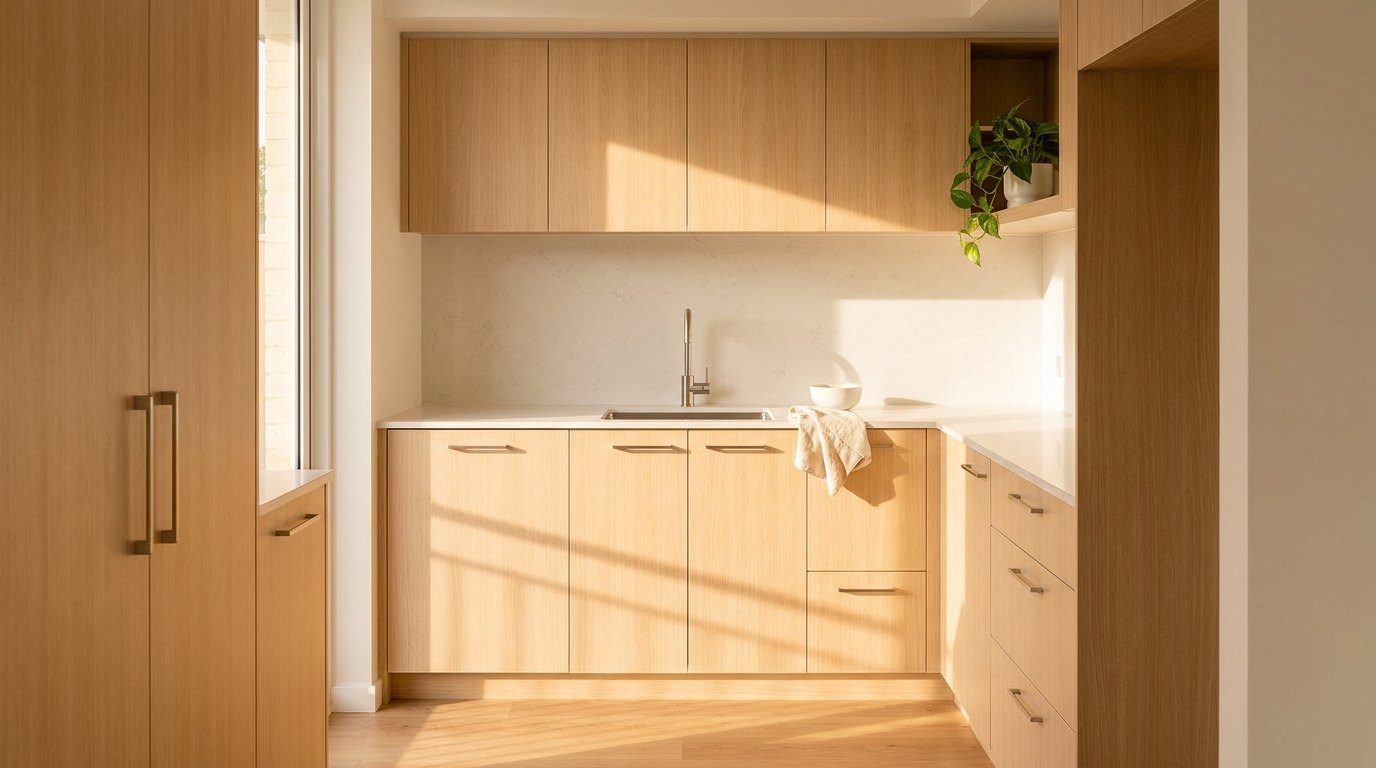
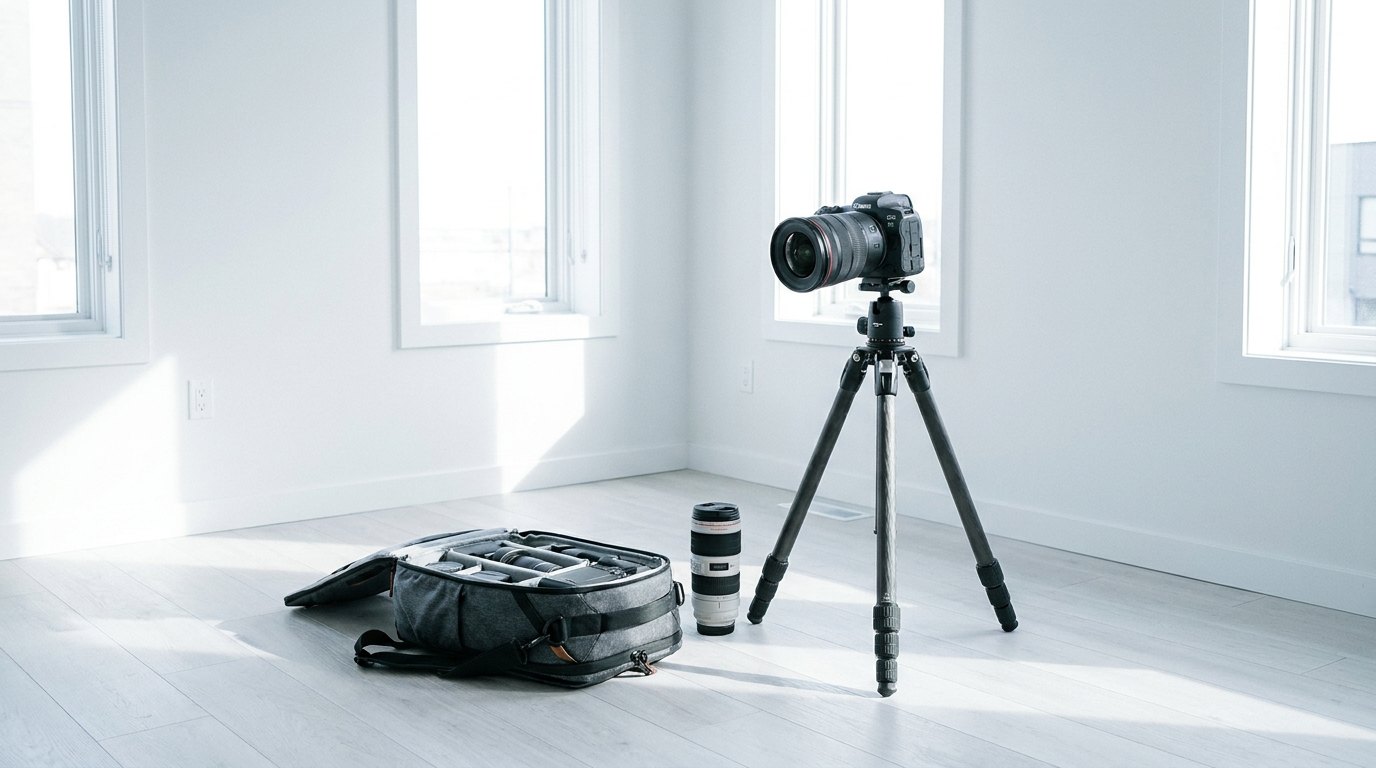
Apartments are the hardest brief in residential photography, and almost nobody books them that way. A four bedroom house gives you distance, multiple light sources and rooms you can shoot one at a time. A two bedder in a nineties block gives you a hallway you cannot back into, one aspect of light, and a living room where the kitchen, the dining table and the balcony door all land in the same frame whether you want them to or not.
The good news is that apartment buyers are not looking for the same things house buyers are. Once you know what they are scanning for, the shoot gets a lot more straightforward.
Why small spaces are harder, not easier
Three constraints do most of the damage.
- You cannot get back far enough. In a house you find the far corner and shoot into the room. In an apartment the far corner is often a wall two metres behind you, so the temptation is to go wider, and wider is where listings start to look dishonest.
- There is usually one light source. Most apartments face one way. Whatever the balcony or the main window is doing is what the whole living area is doing, and there is no second aspect to rescue it.
- Everything is in the frame at once. Open plan means one bad detail, a drying rack, a bin, a wall of fridge magnets, contaminates the hero shot rather than sitting in a room you can skip.
None of that is a reason to shoot an apartment badly. It is a reason to plan it.
Lens discipline matters more here than anywhere
The instinct in a small space is to reach for the widest lens in the bag. That is exactly backwards. Extreme wide angle in a compact apartment stretches the near end of the room, bends the kitchen joinery, and creates the moment every agent dreads: the buyer walks in at the open home, stops, and says it looked bigger online.
What works is a moderate wide angle used carefully. Shoot from a corner rather than a doorway, keep the camera level so the verticals stay vertical, and let a bit of foreground do the work. A slice of bench, an armchair edge, the line of the floorboards running away from you. Depth reads as space far better than distortion does.
Height helps too. Dropping the camera slightly lower than head height in a small living room lifts the ceiling and gives the space some air, without doing anything to the geometry.
The balcony door is the whole lighting plan
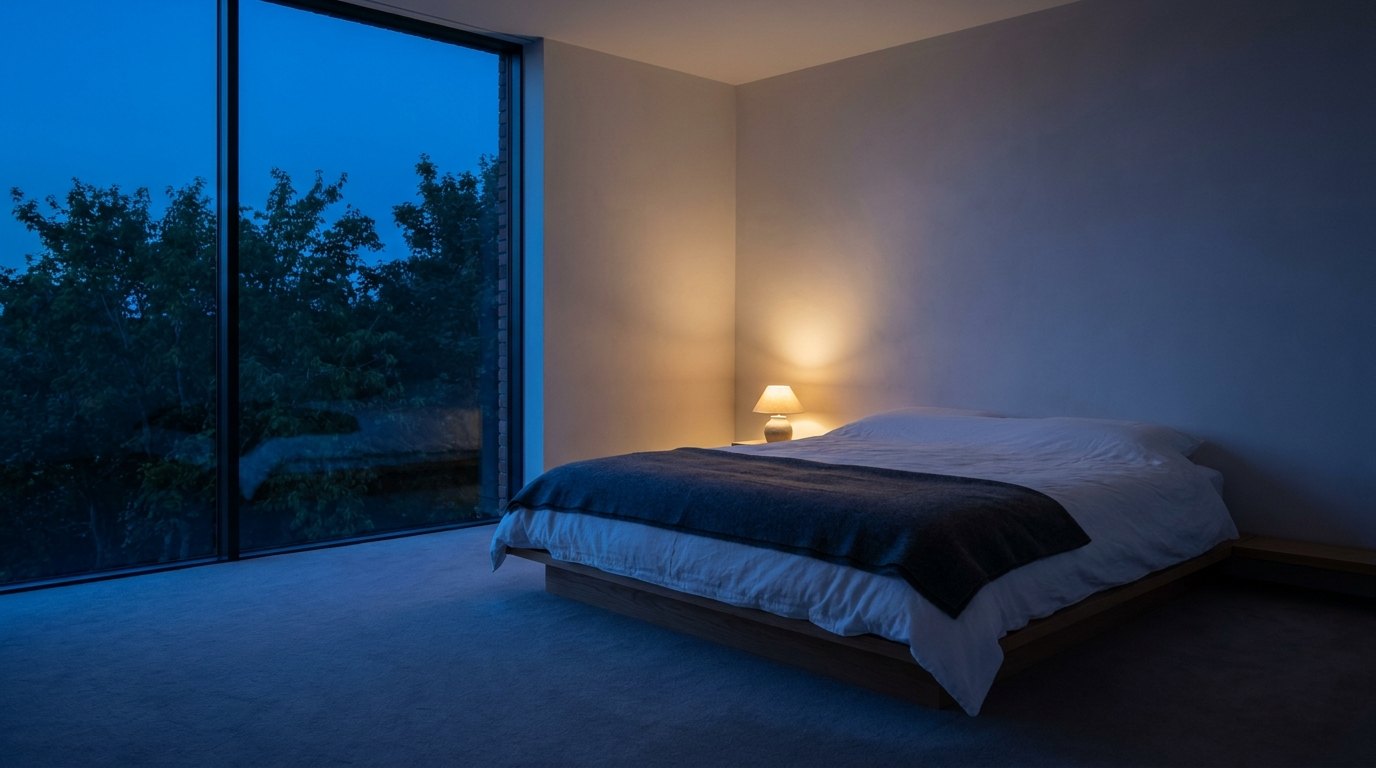
In a single aspect apartment, the outlook is both your light source and your biggest exposure problem. Shoot for the room and the balcony blows out into white. Shoot for the balcony and the room goes flat and grey.
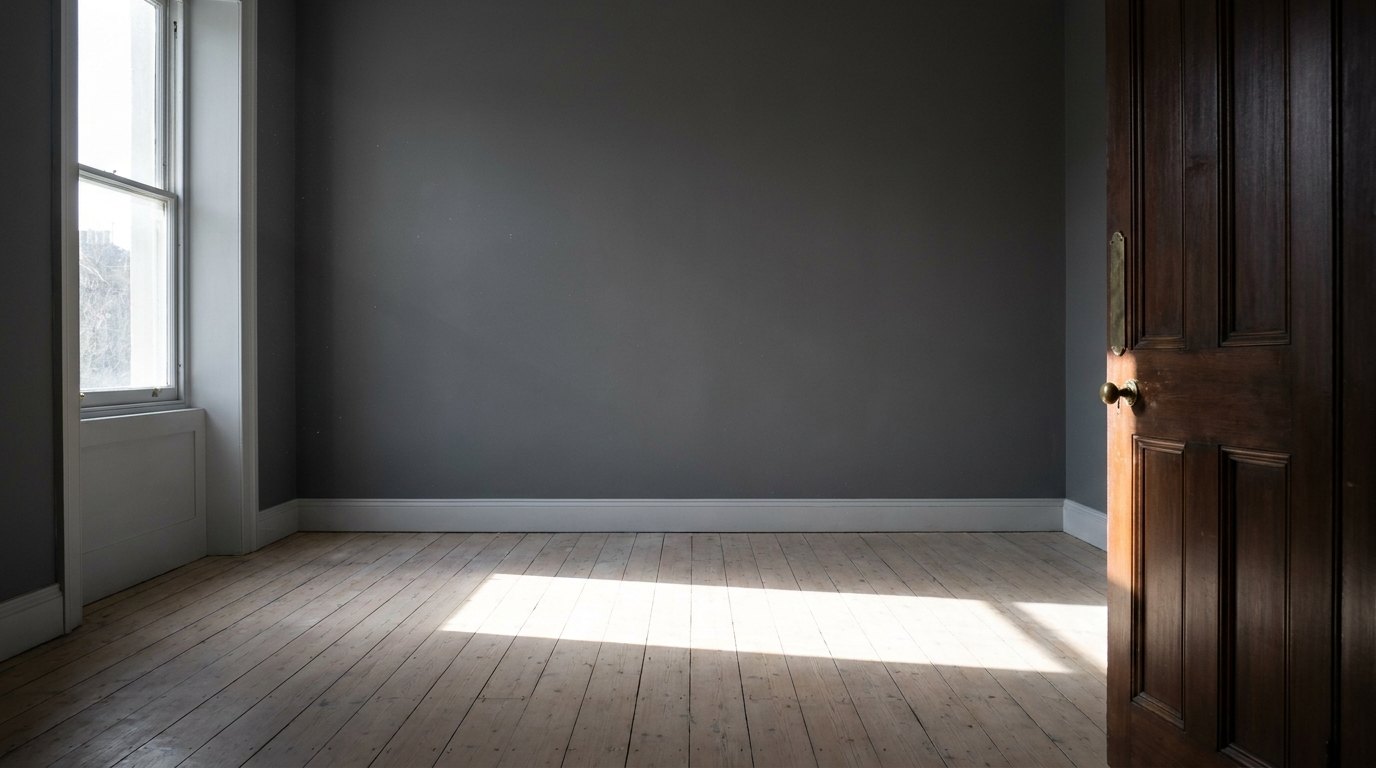
The fix is not a filter, it is timing plus a bit of fill. A north or east facing apartment wants a morning shoot. A west facing one wants late morning before the sun swings around, or the afternoon if you actually want that warm light coming in. Getting that call right is half the job, which is why we ask which way the living area faces before the booking goes in the diary.
Where the outlook is genuinely good, treat it as a selling feature and expose so it survives. Where the outlook is a neighbouring wall, frame so the window is a light source rather than a subject. Both are honest. Pretending a light well is a view is not.
What apartment buyers are actually scanning for
House buyers look at land, facade and flow. Apartment buyers look at a different list, and your gallery should answer it.
- Storage. It is the number one anxiety in a small home. Open the robe. Show the linen cupboard. If there is a storage cage or a lock up garage, photograph it, even though it is not pretty.
- Aspect and light. Buyers want proof the place is not dark. A room shot at the right time of day says more than the word "bright" in the copy ever will.
- Outdoor space. A balcony that fits a table and two chairs is worth a dedicated frame. Shoot it as a place, not as a ledge.
- The building itself. Entry, lobby, lift, pool, common courtyard, secure parking. Strata living is partly a lifestyle purchase and those shots do real work.
- The floor plan. In apartments this is not optional. Buyers cannot read the flow from photos alone when the whole home is four rooms, so the plan carries a lot of the explaining. Our services page covers how the plan is measured and drawn alongside the shoot.
The shot list that works for a two bedder
Twelve to fifteen images covers most apartments properly. More than that and you are repeating yourself.
- The living area from its best corner, with the balcony door in frame
- A second living angle looking back the other way
- The kitchen straight on, benches clear
- One kitchen detail if the finishes are good
- Dining area or the meals zone
- Main bedroom, from the door corner
- Main bedroom robe or ensuite
- Second bedroom
- Bathroom, shot from the doorway with the mirror handled
- The balcony, from inside looking out and from outside looking in
- Building entry or lobby
- One amenity shot if there is one worth having
Prep is different in an apartment
The standard vendor checklist assumes a house. Apartments need their own version, and the difference is mostly about scale. In a small home, everything on a surface counts double.
Clear every bench completely, not mostly. Remove the drying rack from the balcony. Take the magnets and the school notices off the fridge. Get the bins out of the frame entirely rather than behind a door. Lift the bathmats and the toilet brushes. If the block has a courtesy notice about photography or drone use, sort it with strata before the day rather than on the day.
Worth saying to vendors: a tidy apartment photographs dramatically better than a tidy house, because there is nowhere for clutter to hide. The prep effort has an unusually high return here.
The short version
Small floor plans reward planning and punish shortcuts. Pick the time of day for the aspect, keep the lens honest, answer the storage question, shoot the building, and include the floor plan. Do that and a compact two bedder looks like what it is, which is exactly what the right buyer is searching for.
If you have an apartment campaign coming up, tell us the aspect, the level and what the building offers before the shoot is booked. Get in touch and we will plan the day around the light instead of working against it.

Harrison Macourt
Founder, Macourt Media
Photography, video and social content for Sydney agencies, brands and property teams since 2022. About Harrison.
Related services
Planning a listing? Tell us the address and the launch date.