Virtual Staging for Vacant Sydney Listings
A practical guide to virtual staging for empty Sydney homes: when it works, how to pick furniture that fits the buyer, how to disclose it properly, and why it moves listings.
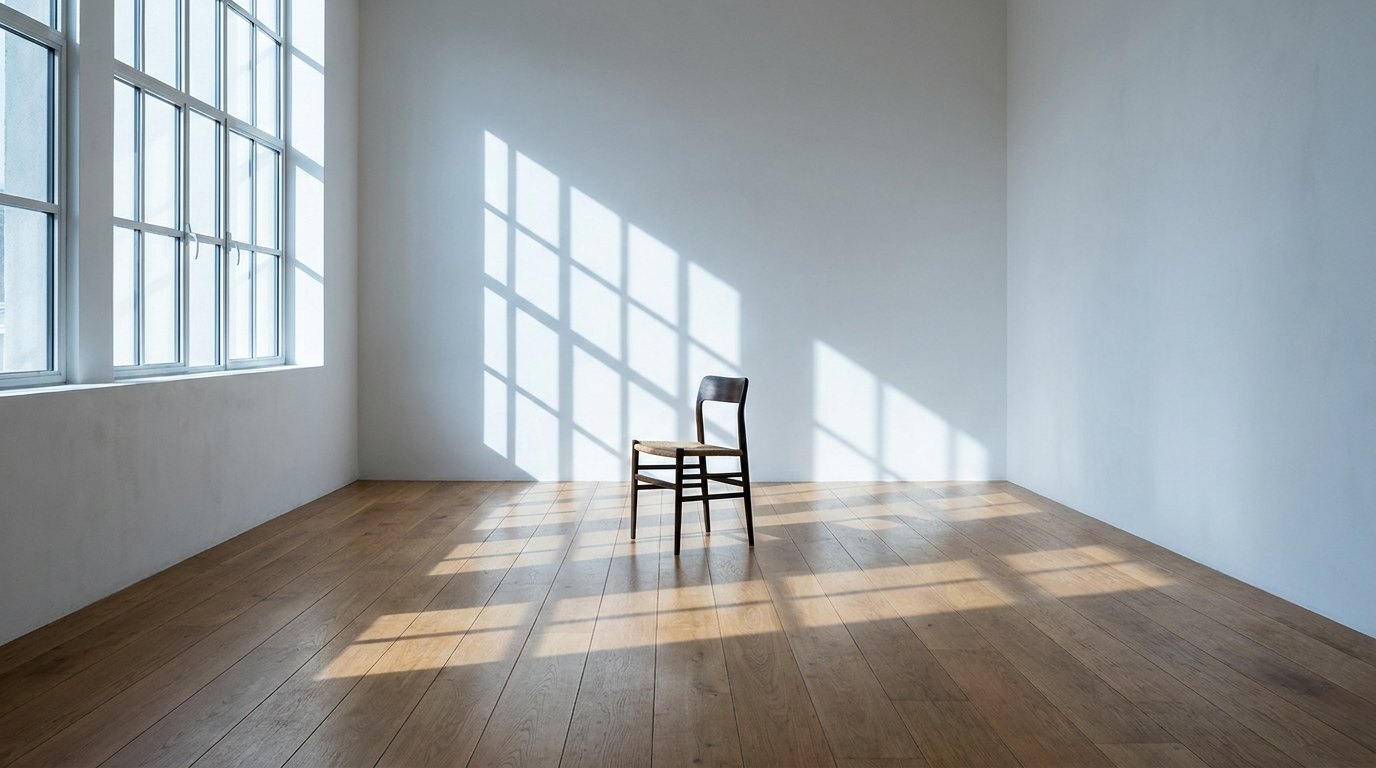
A vacant listing is a hard sell. Buyers scrolling realestate.com.au on a Tuesday night do not picture their life in a set of bare rooms. They see empty. Empty reads as cold, and cold gets scrolled past.
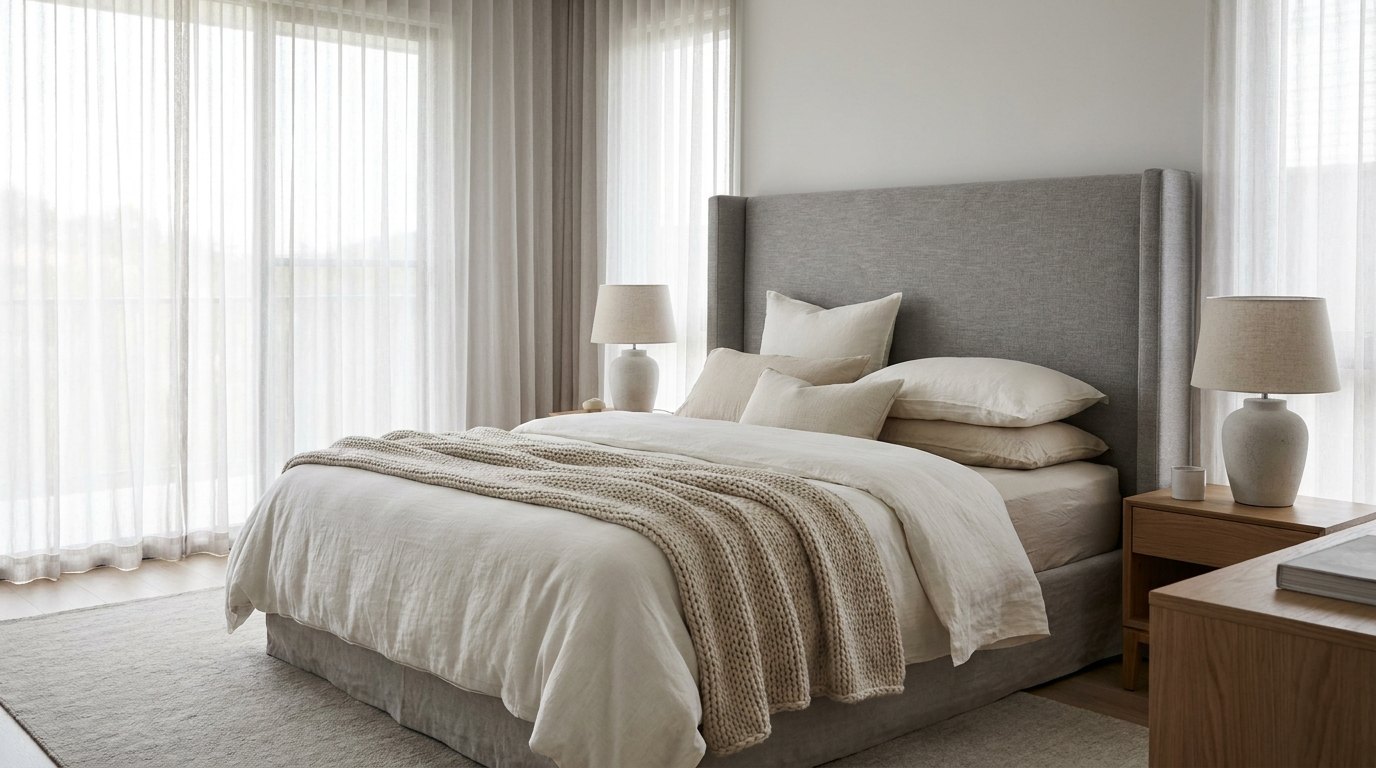
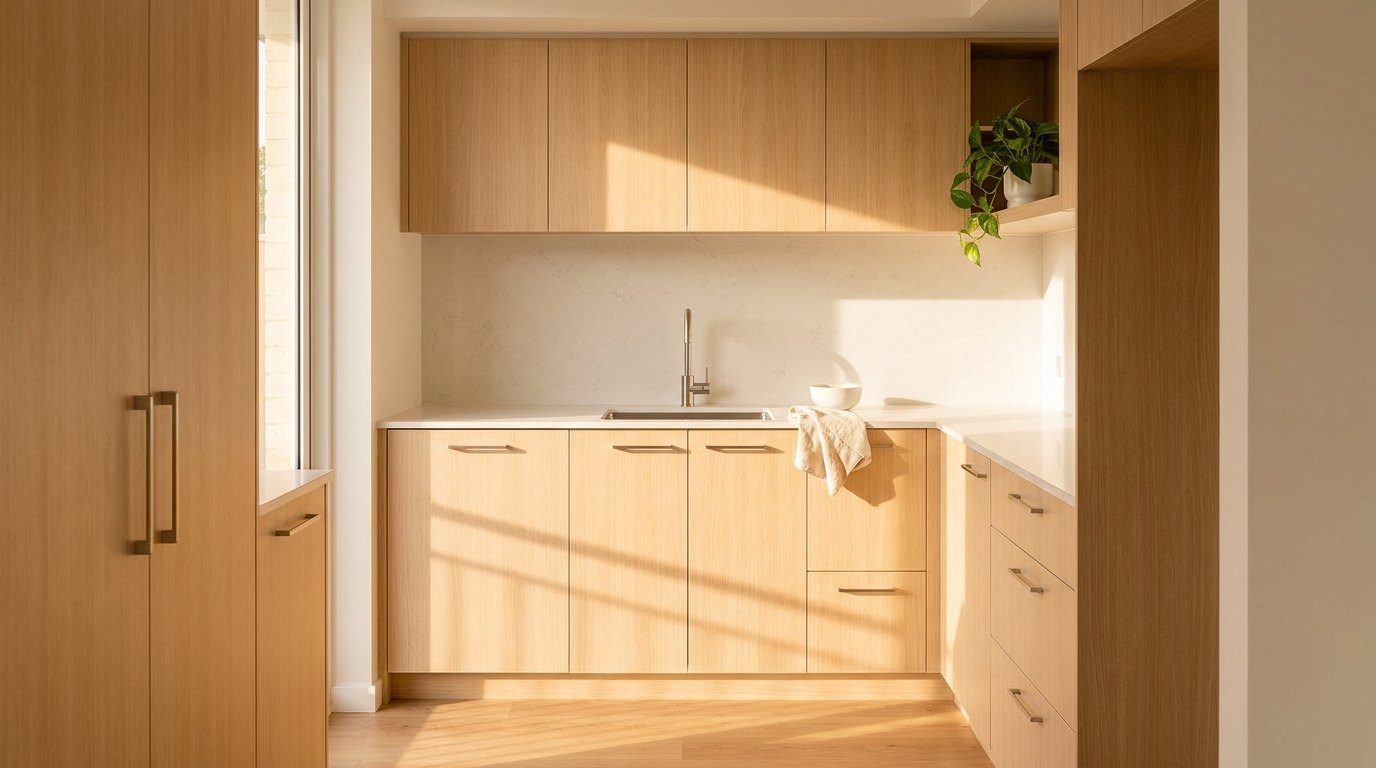
Virtual staging fixes that without a furniture truck. We photograph the empty room properly, then add furniture digitally: a lounge, a dining setting, a bed styled to suit the buyer the property is chasing. Done well, it turns a blank box into a home a buyer can imagine living in. Done badly, it looks like a video game and it damages trust.
This guide covers the parts that actually matter. When to reach for virtual staging, how to choose a style that fits your buyer, how to disclose it the right way in NSW, and why it moves a campaign. We stage vacant listings across the Inner West, Eastern Suburbs and Lower North Shore every week, so this is the practical version, not the sales pitch.
When virtual staging is the right call
Virtual staging is not a default. It is a tool for a specific problem, and the problem is empty rooms that fail to communicate.
Reach for it when:
- The property is genuinely vacant. Deceased estates, investment properties between tenants, new builds, and homes where the owners have already moved out. These are the classic cases.
- The rooms are hard to read empty. A large open-plan space with no furniture can feel like a warehouse. A small bedroom can look like a study or a walk-in robe. Furniture gives the eye scale and tells the buyer what each room is for.
- The budget or timeline rules out physical staging. A full physical fit-out takes coordination, delivery, and time on site. Virtual staging skips all of that and turns around fast, which matters when a campaign needs to launch this week.
- You want to show one room two ways. A fourth bedroom staged as a nursery in one image and a home office in another lets two different buyer types see themselves in the same space.
Hold off when the room has real problems that furniture would only mask. Water damage, a cramped floor plan, or an awkward layout will not be solved by a digital sofa. In those cases, honest photography and a clear floor plan do more for buyer trust than a staged image that sets up a disappointing inspection. And if the property is prestige and the campaign supports it, physical staging still wins. It is the strongest option because it is real, it photographs perfectly, and buyers walk into the styled home at the open.
Virtual staging sits in the middle. Faster and lighter than physical staging, far warmer than empty. For most vacant Sydney listings, that middle path is exactly the right trade.
Choosing a style that fits the buyer
The single biggest mistake in virtual staging is furnishing for the photographer instead of the buyer. The style has to match who is likely to buy, the era and character of the home, and the price bracket the campaign is aiming at.
A few principles we work to:
Match the architecture. A Federation terrace in Balmain and a glass-fronted new build in Rhodes call for completely different furniture. Mid-century pieces in a heritage home look considered. The same pieces in a brand-new apartment can look like a showroom that wandered in from another building. The staging should feel like it belongs to the house.
Furnish for the target buyer, not the average one. A two-bedroom apartment near a station in the Inner West is chasing first-home buyers and downsizers. Style it clean, functional, and warm. A four-bedroom family home on the Lower North Shore is chasing families, so the living areas should feel comfortable and lived-in, with a dining table that seats the whole household.
Scale the furniture to the room, not the other way around. Oversized furniture crammed into a small room makes it look smaller, which is the opposite of the point. The furniture should sit naturally, leave walking room, and let the buyer read the true footprint. If a room genuinely is compact, honest staging shows it working, not bursting.
Keep it restrained. The goal is a home a buyer can project onto, not a magazine spread they feel locked out of. Neutral palettes, a few textures, one or two considered accents. Overstyling with bold colour and clutter dates fast and distracts from the room itself.
Stay consistent across the set. Furniture, lighting, and styling should feel like one home shot on one day. A lounge staged in warm Scandi tones next to a bedroom styled in dark industrial pieces breaks the illusion instantly. The gallery has to hang together.
The best result looks like the property was simply furnished when we shot it. No one should stop and wonder whether the sofa is real. That believability is the whole job, and it comes from the photography being right first. Virtual staging built on a poorly lit, crooked photo of an empty room only makes the flaws look deliberate.
How to disclose virtual staging properly
This is the part agents get nervous about, and it is the part that matters most. In NSW, misleading a buyer about the condition of a property carries real consequences under Australian Consumer Law and the *Property and Stock Agents Act*. A staged image that a buyer reasonably believes is real, when it is not, is a genuine risk to you and your agency.
The fix is simple: disclose, clearly and every time.
- Label the images. A short, visible note such as "digitally staged" or "furniture is virtual" on or beside each staged photo. Not buried in the fine print at the bottom of the listing.
- Show the room empty as well. Include at least one honest photo of the actual empty room in the gallery, or make the vacant version available. Buyers should be able to see what they are actually buying alongside the staged vision.
- Never alter the property itself. Virtual staging adds furniture. It does not remove a support column, hide damage, change the flooring, or repaint the walls. Adding a couch is presentation. Changing the room is misrepresentation, and that line is not worth crossing.
- Brief your team. Make sure whoever runs the open and answers buyer questions knows exactly which images are staged so nobody accidentally confirms furniture that was never there.
Disclosure done well does not weaken the campaign. Buyers understand that vacant homes get staged. What they will not forgive is arriving at an inspection and feeling deceived. Clear labelling protects the sale and protects you, and it costs nothing. Every listing we stage is delivered ready to disclose, so you are never guessing.
How virtual staging helps the campaign
Photos do the heavy lifting online, and the listing gallery is where buyers decide whether to click through, save, or scroll on. A furnished room simply earns more attention than an empty one. It communicates warmth, scale, and purpose in the split second a buyer spends on each thumbnail.
For vacant listings, the practical wins stack up. Staged rooms give buyers an emotional anchor, which lifts engagement on the portals. They set the right expectation for the property's use, so the buyers who book an inspection are the ones the home actually suits. And they let you present a coherent lifestyle across the whole gallery without the cost and logistics of a physical install.
Virtual staging works hardest as part of a complete package rather than a bolt-on. Pair it with a clean, accurate floor plan so the buyer can connect the styled rooms to the real layout, and the listing tells a full story: this is the space, this is how it flows, this is how it lives. You can see how it fits with the rest of a shoot on our virtual staging service page.
Empty is not a weakness you have to hide. It is a starting point. Shoot the rooms right, stage them for the buyer you want, disclose it plainly, and a vacant listing will hold its own next to any furnished one in the suburb.
If you are still deciding whether to stage at all, start with shooting a vacant home so it still sells.
Got a vacant property coming up? Tell us about it and we will show you exactly which rooms are worth staging and which are strong enough to stand on their own.

Harrison Macourt
Founder, Macourt Media
Photography, video and social content for Sydney agencies, brands and property teams since 2022. About Harrison.
Related services
Planning a listing? Tell us the address and the launch date.